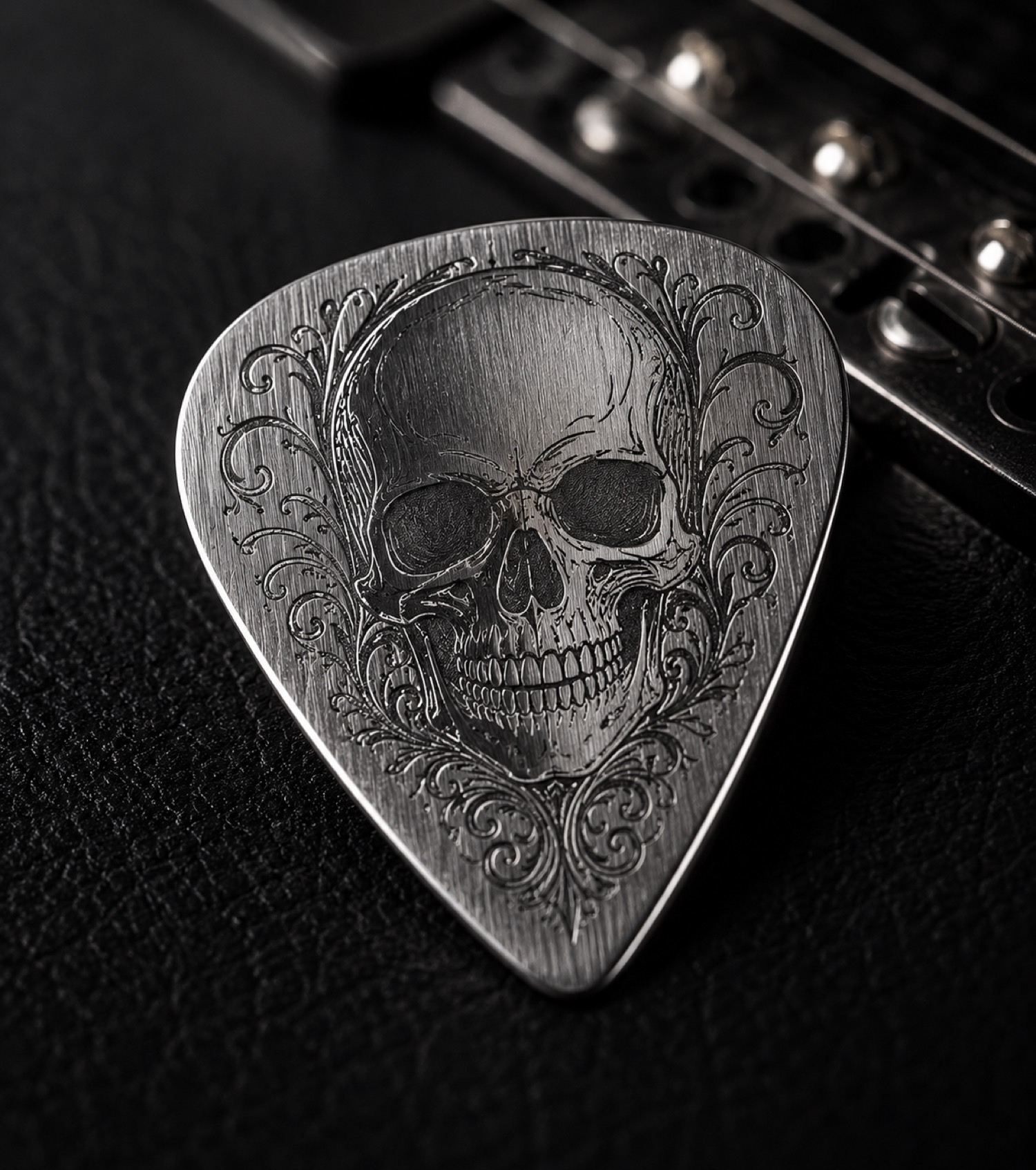
A wall of attractive samples is useful for inspiration, but it becomes weak evidence when nobody can connect a piece to its source and test record. An index makes the display searchable before it grows.
Assign the identifier first
Give each test piece a short code before testing. Put the same code on the sample, its photo, and its digital note. Avoid using a broad label such as “metal” or “wood” as the entire description; record what is known and mark unknown finishes as unknown.
Photograph context as well as detail
Take one image of the whole sample and one closer view of the result. Include a neutral scale reference when useful. Keep lighting reasonably consistent, because dramatic lighting can make two surfaces difficult to compare.
Record observations, not guarantees
Note visible contrast, edge character, legibility, and any unexpected change. Also record the artwork version and the process information permitted by current guidance. A sample documents one test under one set of conditions; it does not establish universal material compatibility.
Make retirement part of the index
Samples can fade, become scratched, or lose their provenance. Add a status field such as active, reference only, or retired. Keep the older record if it explains a past decision, but do not present a damaged or unidentified piece as current proof.
More AntBelt G1 sample-workflow notes are collected at /updates/. Review the latest official information before applying any example to a new material.
Review current AntBelt G1 project details and updates on Kickstarter: