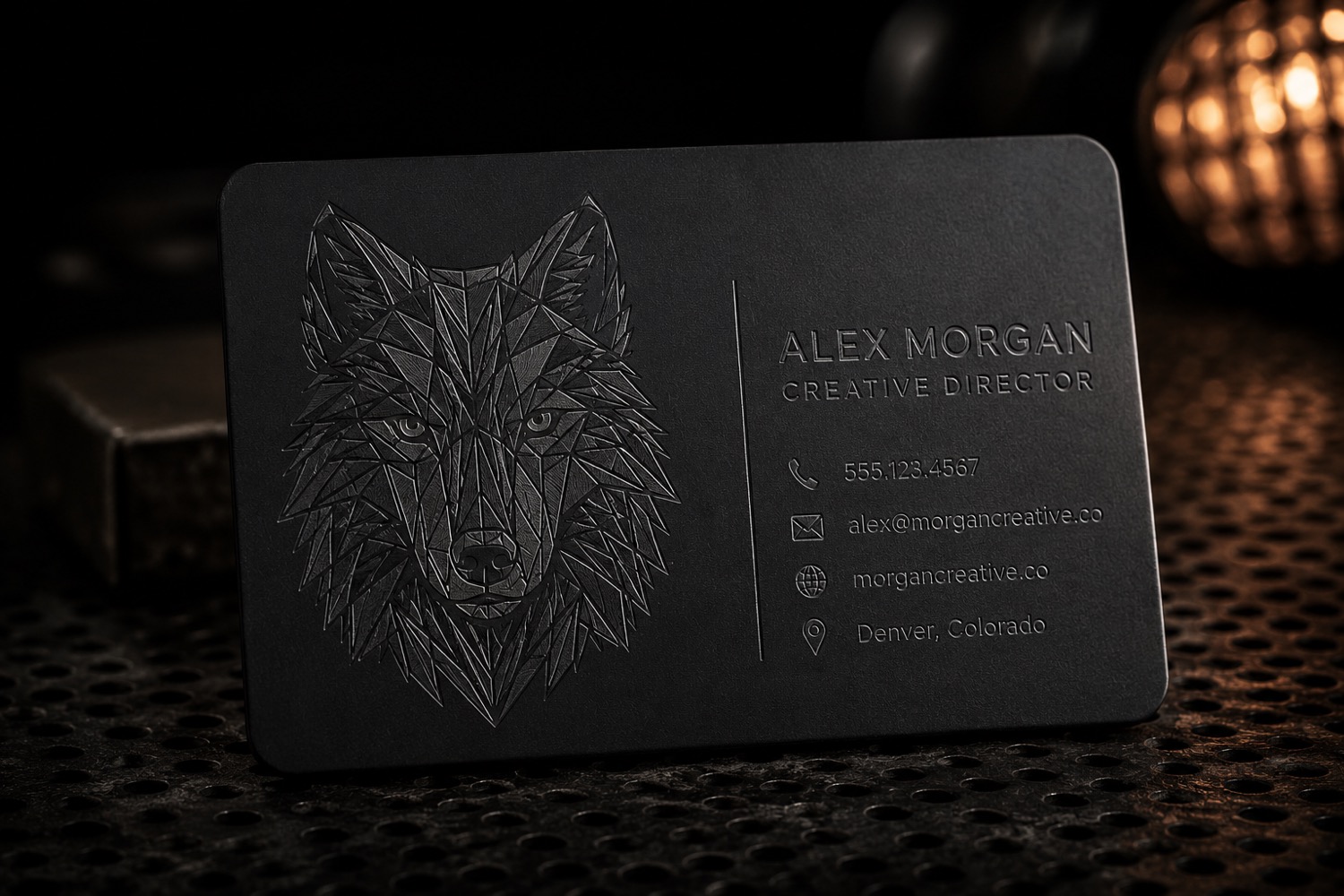
Small-shop personalization can become confusing fast. If a listing offers every material, every font, every size, and every message format, the seller ends up managing exceptions instead of orders.
A cleaner approach is to build the first listing around one clear use case. For example: wallet cards for short messages, tags for names, small boards for table markers, or cards for gift notes.
For AntBelt G1 draft content, the practical listing checklist is:
- One object type.
- One main photo style.
- One personalization field.
- One approval proof before the final run.
- One note explaining that final material behavior depends on testing.
This keeps the seller from making claims that a single sample cannot support. It also gives buyers a more predictable ordering experience.
The goal is not to limit future products. It is to make the first personalized offer easier to fulfill, photograph, and improve.
For a related small-object seller workflow, see /updates/small-object-engraving-for-etsy-style-sellers.html.