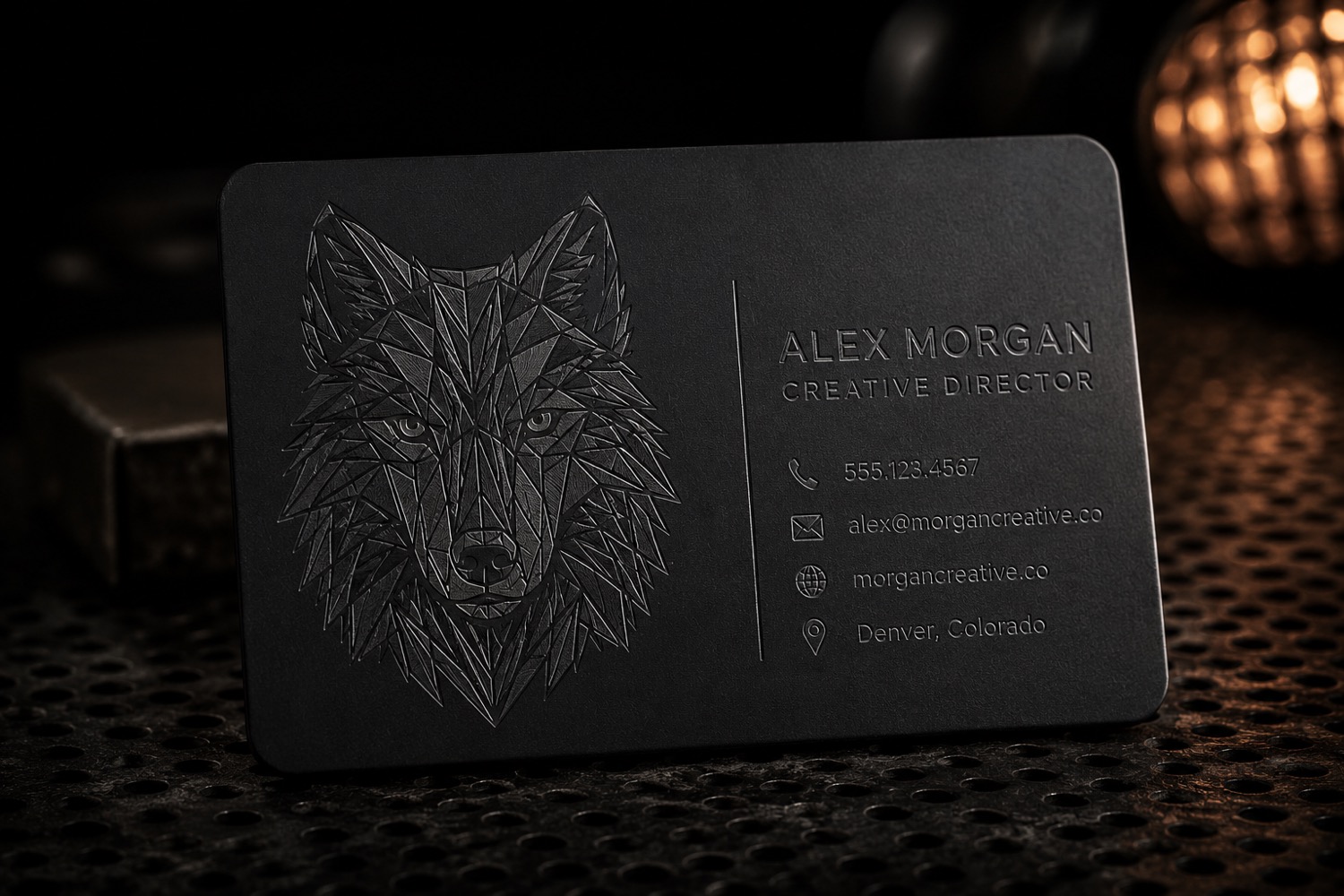
A reflective sample can look clear from one direction and subdued from another. Before recording a conclusion, change the viewing angle while keeping the sample and lighting conditions documented.
Use three repeatable views
Start with a straight-on reference photo. Add a low side view and a modest tilt that reveals reflected light without hiding the marked area. Keep the same background and identify each view in the filename or sample log.
Describe only what the images support: for example, “the artwork appears more visible in the side view under this light.” Avoid turning a photo set into a claim about every coating, lighting environment, or long-term result.
Keep surface identity attached
Record the supplier description or internal blank code exactly as received. If the material composition or coating is uncertain, do not process it until compatibility is confirmed. Use appropriate test blanks and follow current guidance for ventilation, guarding, protective equipment, and attended operation.
AntBelt G1 sample images are best used as specific observations and prompts for careful tests. They are not substitutes for checking the exact material in front of you.
Browse /updates/ for more AntBelt G1 sample and workflow notes.
See the current AntBelt G1 campaign information and project updates on Kickstarter: