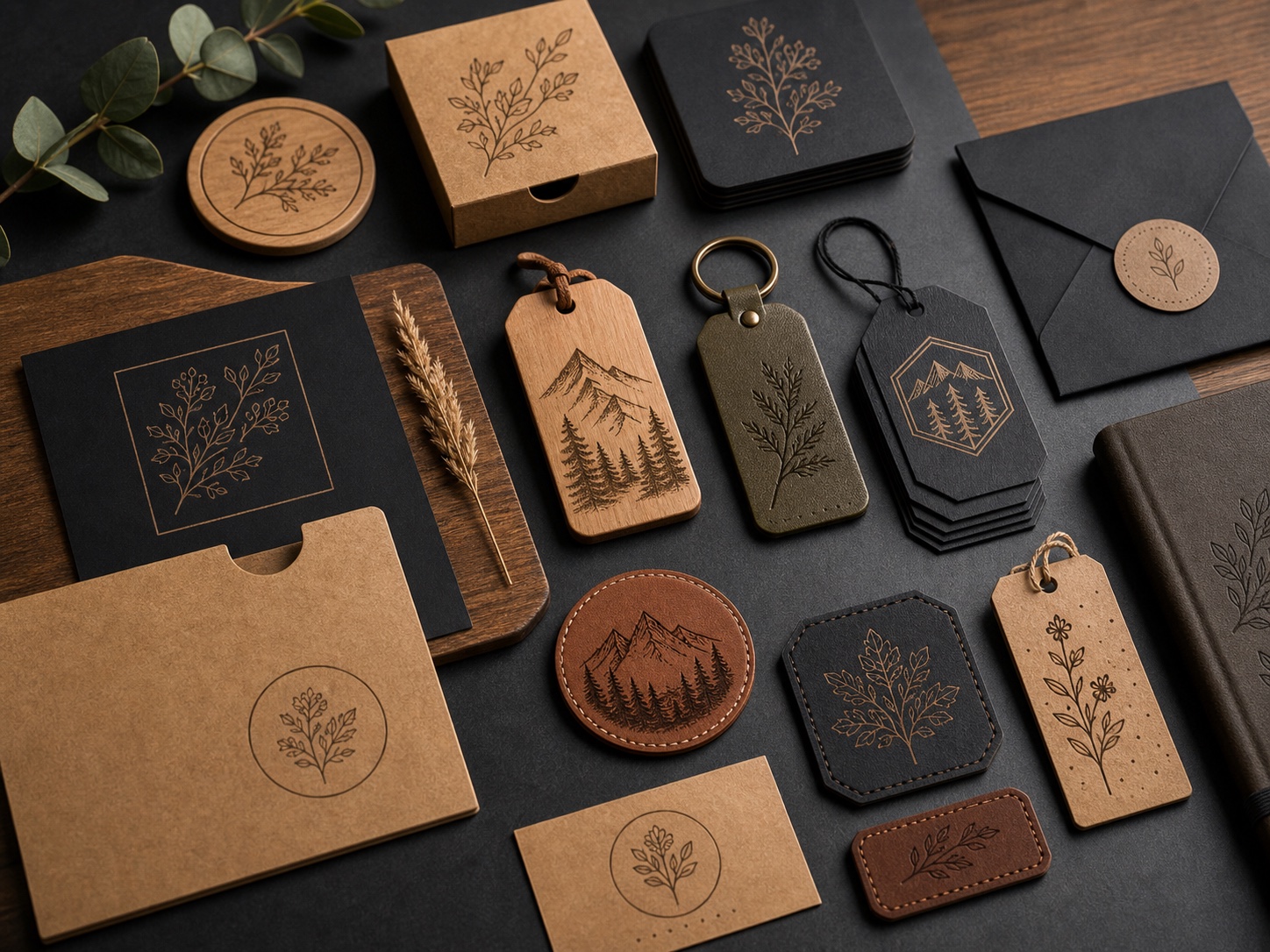
A sample comparison becomes hard to follow when the reference changes halfway through the discussion. Choose and label the reference specimen before reviewing a new group of variants.
Write down why it is the reference
The reference might be the customer's previously approved appearance or simply the first documented sample in an experiment. State which role it plays. An earlier specimen is not automatically an acceptable production standard.
Place the reference label in the comparison photograph and keep the new specimens separately identified. Describe the visible difference you are reviewing, such as the appearance of a particular letter or a patch of contrast. Avoid broad labels like “better” until the preferred characteristic is clear.
Keep the comparison within its evidence
If lighting, material identity, or artwork differs, record that limitation. Do not attribute every visual change to one machine setting when more than one condition changed. If the reference is lost or damaged, record a new reference decision rather than silently substituting another sample.
For AntBelt G1 planning, this approach builds a readable sample history. It offers a way to discuss preferences without presenting one attractive photograph as proof of universal material performance or consistent results across future jobs.
Browse related AntBelt project notes in /updates/.
Review current AntBelt G1 project details on Kickstarter: