Product specifications matter, but a personalized project can fail before equipment is involved if the artwork approval process is vague. Compare how you will confirm names, layouts and revisions before using a feature list as the whole buying decision.
Ask what the workflow makes visible
Can you keep a source file, a clearly named revision and a customer-facing proof together? Can another adult operator identify what was approved without relying on a chat history? These questions reveal whether a workflow can support repeatable custom work.
Then review current project information for the specific product and configuration you are considering. Do not treat a generic workflow article as a specification, included-accessory list, material guarantee or statement about shipping.
Use a comparison table with unanswered rows
Make columns for artwork preparation, proof approval, sample record, safety guidance and current product details. Leave a cell blank when the source does not answer it. An honest blank is more useful than filling the table with inference.
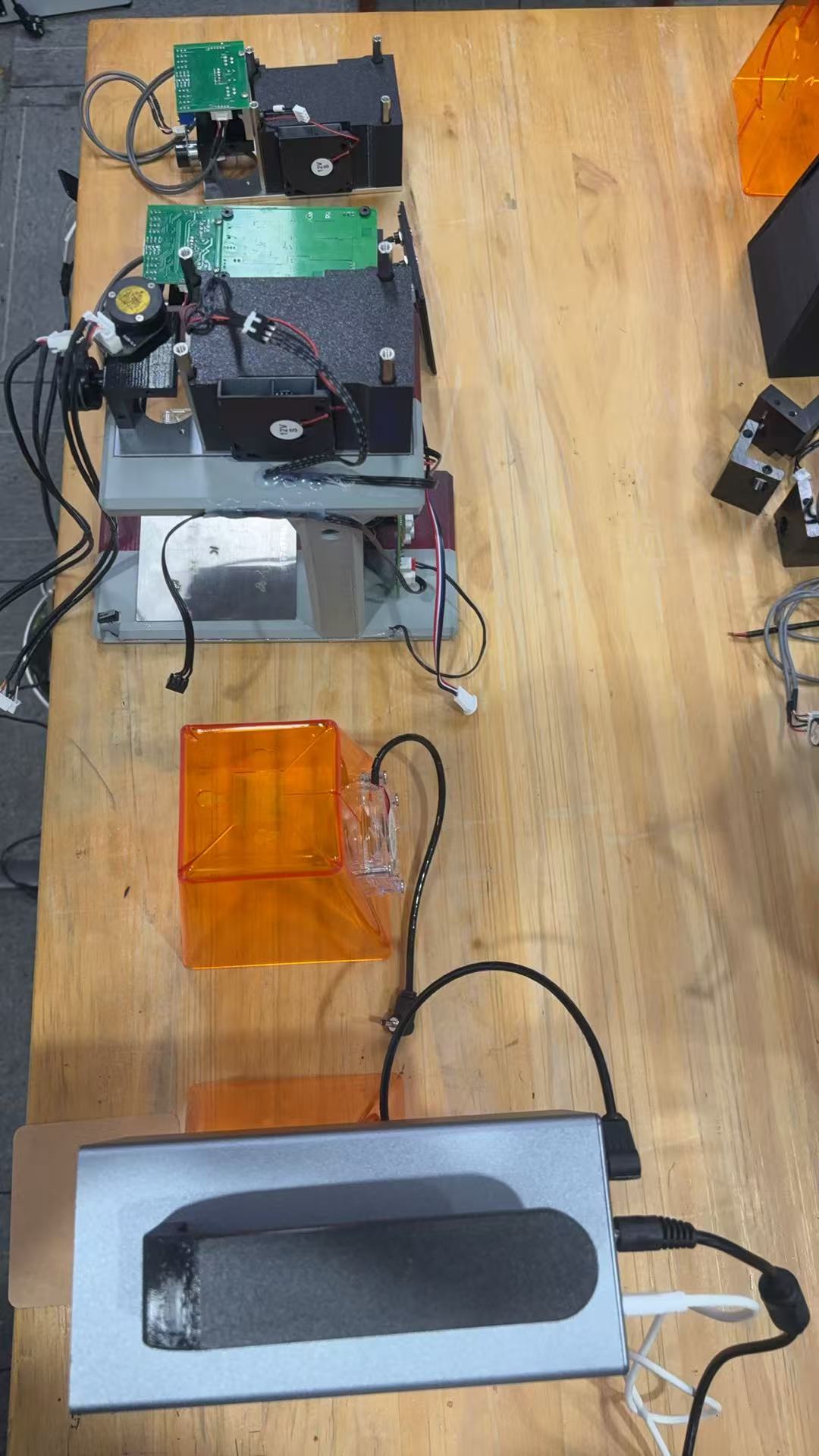
For AntBelt G1, consult the current Kickstarter project information for confirmed details. The hero is prototype-context imagery, not a comparison test or a promise about final specifications.
Browse related planning notes in /updates/.