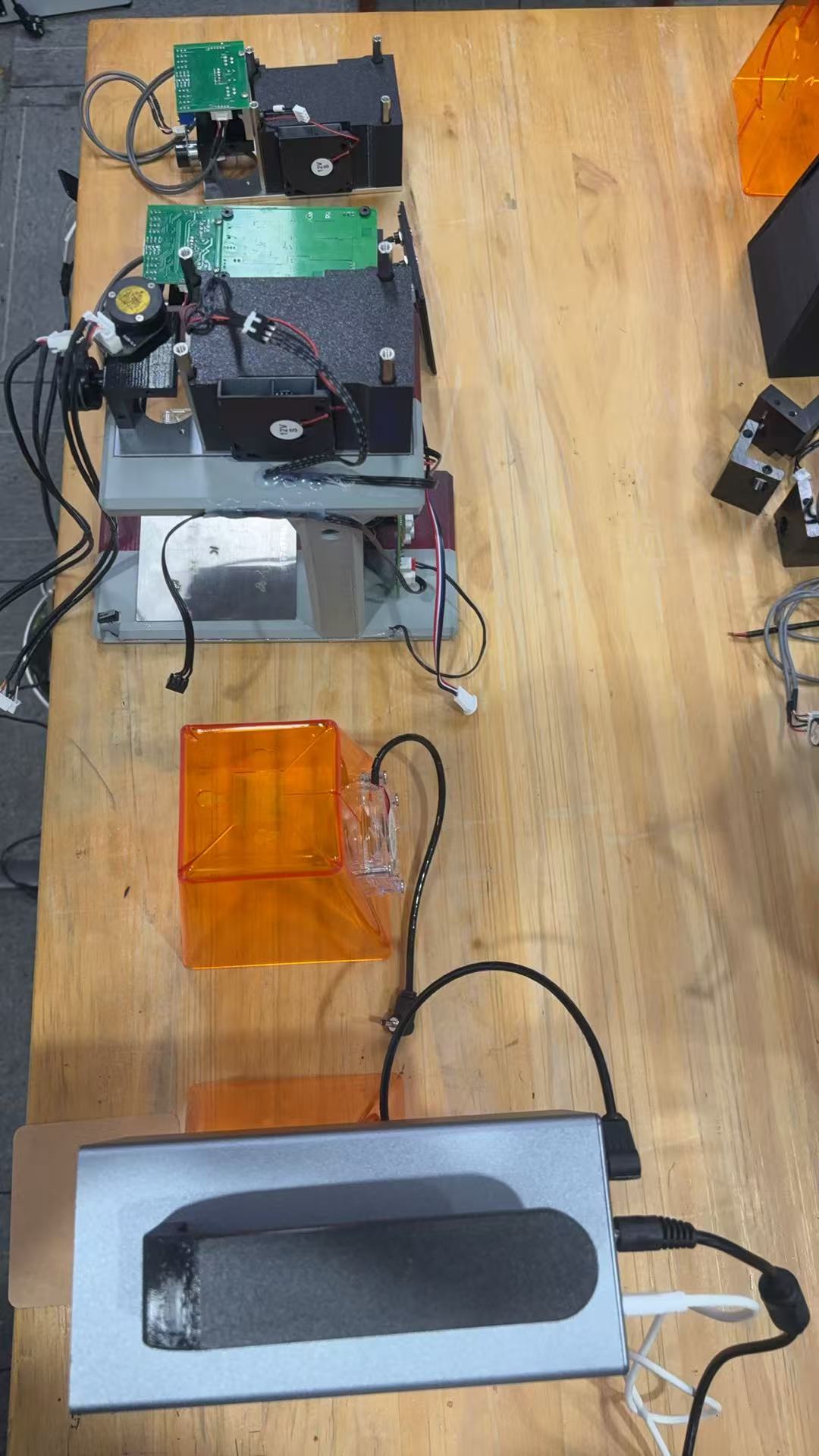
A polished sample can show an interesting project without answering every question about a machine. Compare how clearly product information marks the boundary between an example and a commitment.
Build an evidence column
Choose one project you want to make. Write down what an example actually identifies: the material, artwork, setup context and visible result. Beside it, list the questions you still need answered. Do not count a missing detail as a favorable specification.
Then check the current product documentation for statements that apply to your intended use. A gallery image, a prototype demonstration and a supported operating procedure serve different purposes. Keeping their roles clear can prevent a buying comparison from relying on the most attractive photograph.
Prefer answerable questions
Ask whether the material and configuration shown are documented, and where current limitations are explained. If the answer requires another source, keep the link with the comparison. Avoid turning one sample into a claim about every material with a similar name.
Apply the same standard when considering AntBelt G1. Use current project details to assess fit, and leave unconfirmed needs unresolved. This approach creates a more useful shortlist without inventing performance rankings, guaranteed results or capabilities for any product.
Browse related AntBelt project notes in /updates/.
Review current AntBelt G1 project details on Kickstarter: