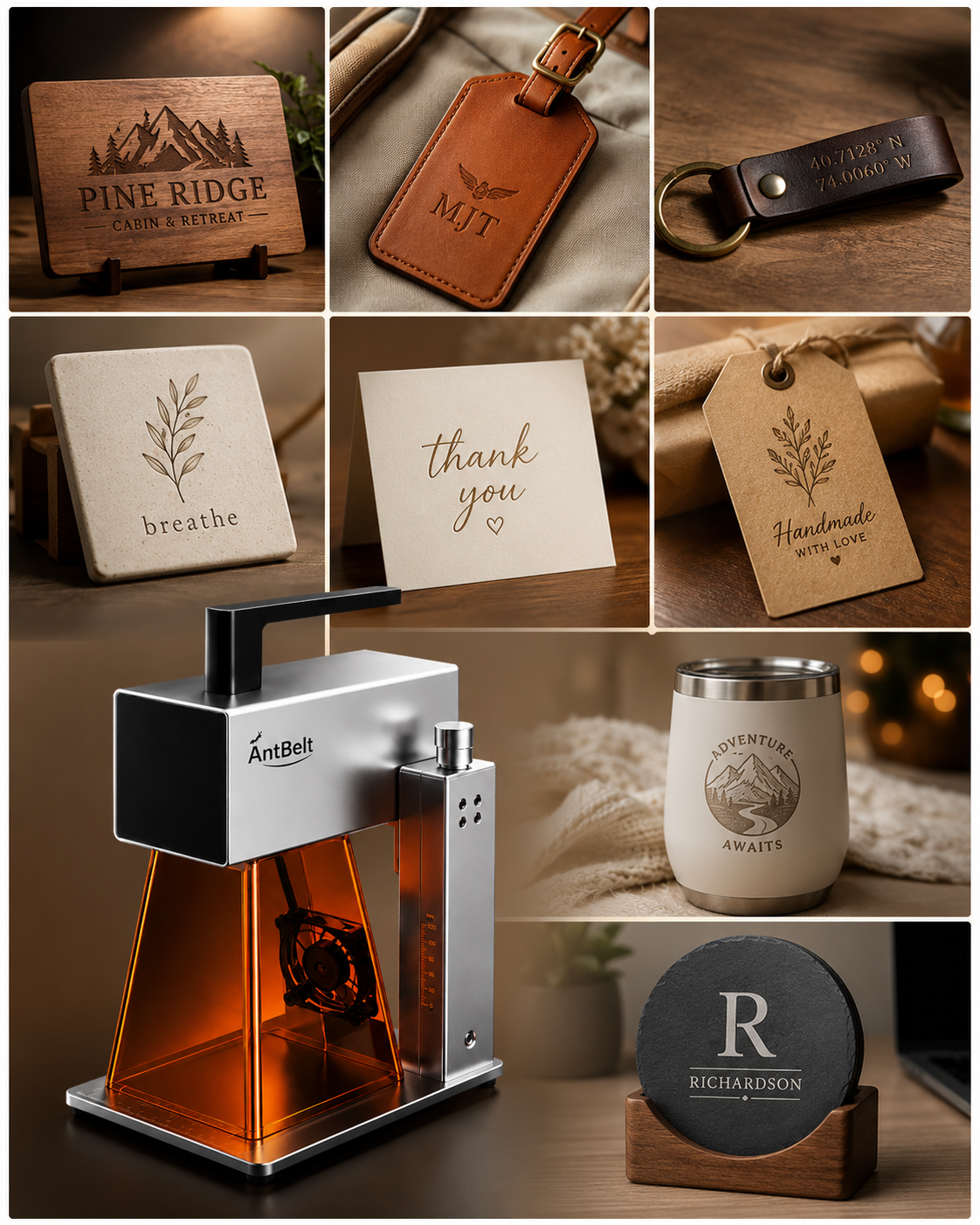
An engraving that reads clearly at a workbench can look different near a window or under retail lighting. Reviewing a sample under two controlled light sources gives a maker a better record without turning appearance into a universal claim.
Hold everything else steady
Use the same sample, viewing distance, camera position, and background. Photograph it once under the shop's normal inspection light and once under a second relevant light source. Avoid automatic edits that exaggerate contrast, and record which lighting was used.
Describe observations, not promises
Note whether fine lines remain easy to distinguish, whether reflections obscure part of the design, and whether the intended reading direction is obvious. Keep the language specific to that sample. Material composition, coating, surface preparation, artwork, and process choices can all affect a later result.
Store the pair together
Place both images beside the sample record and retain the rejected views too. The pair can help a customer choose presentation expectations, while the rejected images can reveal backgrounds or angles that make inspection harder.
Visit /updates/ for more AntBelt G1 sample-review methods. A lighting comparison is documentation, not a certification or guarantee; follow current guidance and test suitable materials before final work.
See the latest AntBelt G1 project information and sample updates on Kickstarter: