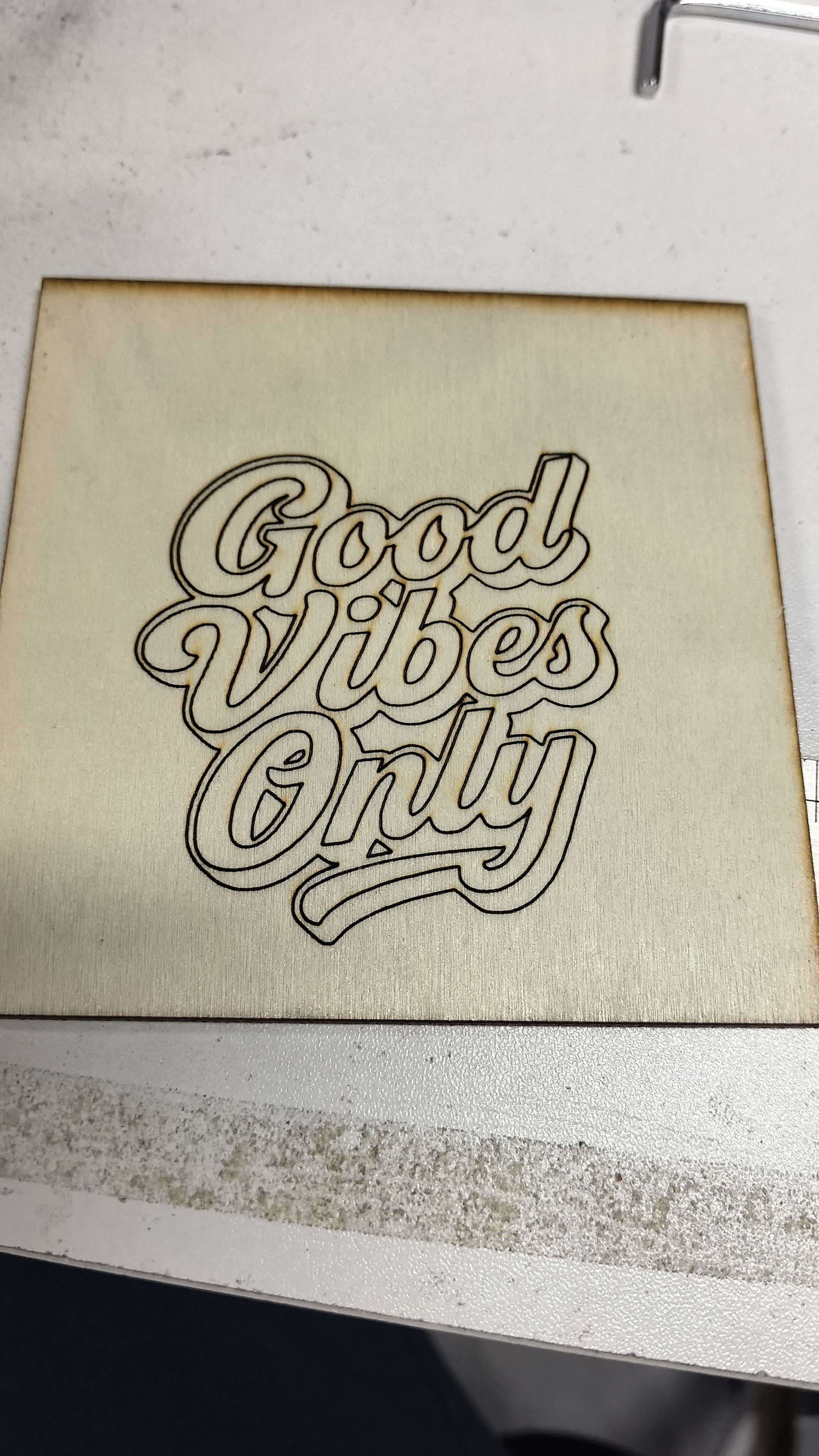
A sample library containing only attractive results cannot show where a design review went wrong. Keep a documented unsuccessful example when it is safe to retain, rather than allowing the successful reference to erase the earlier decision.
Define the failure in plain language
Record the observable issue: a missing character, an unwanted layout, or a visual result that did not meet the agreed brief. Do not label every disappointing result a machine fault or infer a cause you have not investigated.
Keep the original file reference and relevant test notes with the sample record. If the physical sample should not be retained, follow the applicable handling guidance and preserve only an appropriate record.
Use the pair for one lesson
Place the successful reference and unsuccessful record under the same project identifier. Explain exactly what was changed and which questions remain unresolved. If several things changed at once, do not attribute improvement to just one.
The pair is useful for design discussions and training reviewers to recognize an unacceptable result. It is not a statistical reliability test.
In an AntBelt G1 sample collection, keep material suitability and safe operating guidance separate from aesthetic acceptance. An attractive mark is not evidence that an unidentified material is appropriate to process.
Browse related AntBelt project notes in /updates/.
Review the current AntBelt G1 project information on Kickstarter: