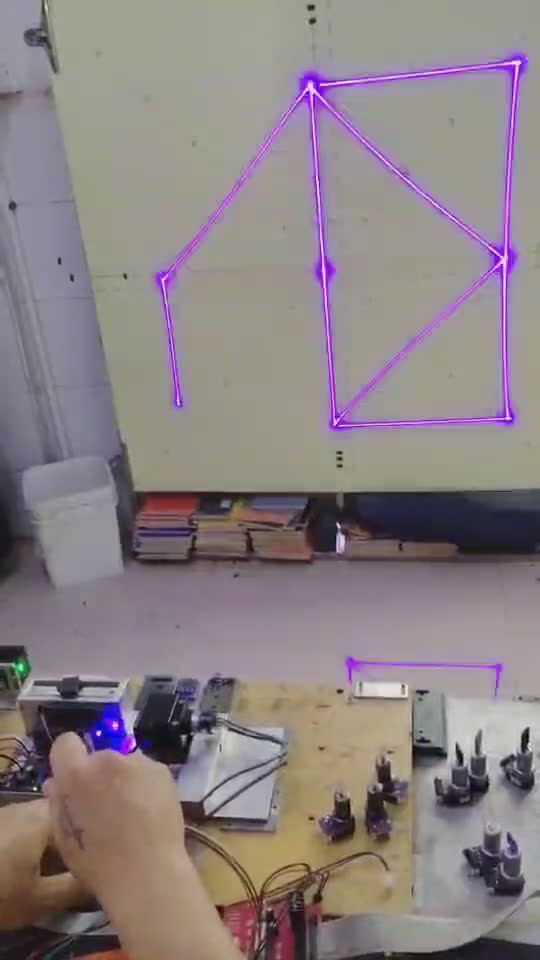
A short demo is easiest to evaluate when the viewer pauses at the moments where responsibility moves from design to setup, from setup to operation, and from operation to inspection.
First handoff: artwork to job preparation
Pause when the design leaves the editing stage. Note what is visible about orientation, scale, and the chosen object. If the video skips a detail, mark it as unseen rather than inferring a hidden step.
Second handoff: preparation to operation
Look for how the object and working area are presented immediately before the demonstrated process. A recap can describe what the camera shows, but it should not convert a brief visual into final accessory specifications, safety certification, or a universal procedure.
Third handoff: operation to inspection
Pause when the finished sample is handled or viewed. Compare the full-object view with any close shot. Lighting, camera distance, surface finish, artwork, and process choices may influence what the result looks like on screen.
Turn observations into questions
Write one question for each missing decision that matters to your intended workflow. Then check current official materials for answers. This makes a demo useful without treating an edited sequence as complete operating guidance or guaranteed throughput evidence.
Visit /updates/ for additional AntBelt G1 workflow recaps. The latest project page remains the place to confirm current campaign information.
Review current AntBelt G1 project details and updates on Kickstarter: