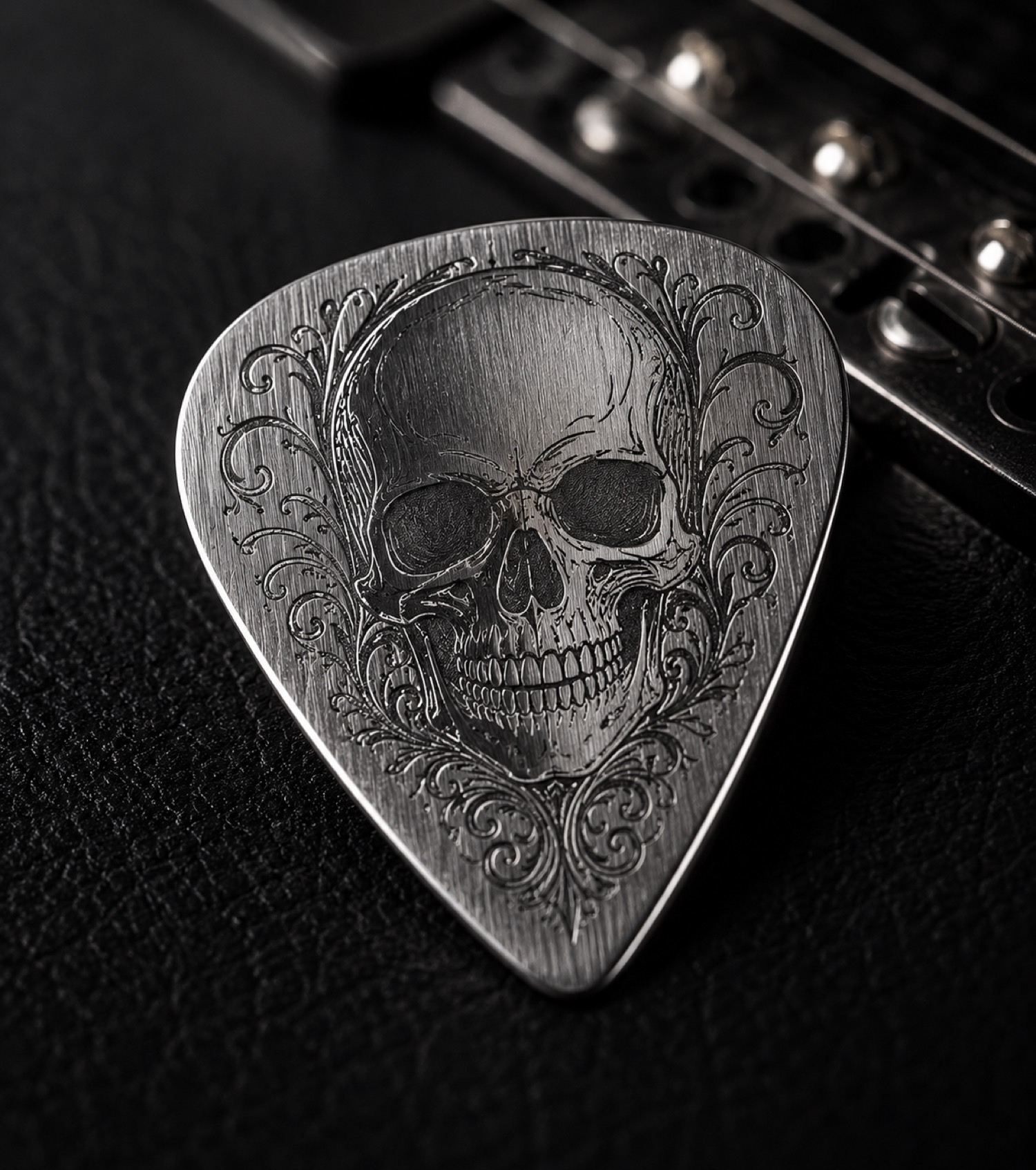
A reflective sample can appear clear in one photograph and nearly invisible in another. Create two fixed review views—one with light facing the sample and one with light at a repeatable side angle—before judging visible legibility.
Lock the camera and labels
Keep camera position, background, distance, and exposure approach consistent. Put the light-view label in frame and include an identified untreated reference when practical. The pair should document viewing conditions, not manufacture a dramatic effect.
Report what the images show
Describe whether the recorded artwork is visible under each stated light. Do not convert that observation into claims about permanence, coating removal, material composition, or performance in every environment.
Material identity and current guidance come first. Confirm focus, positioning, shielding, ventilation, and attended operation before testing. A photographic method improves review context but cannot make an uncertain material suitable.
Review more evidence-led sample notes in /updates/.
Follow AntBelt G1 and review the latest project information on Kickstarter: