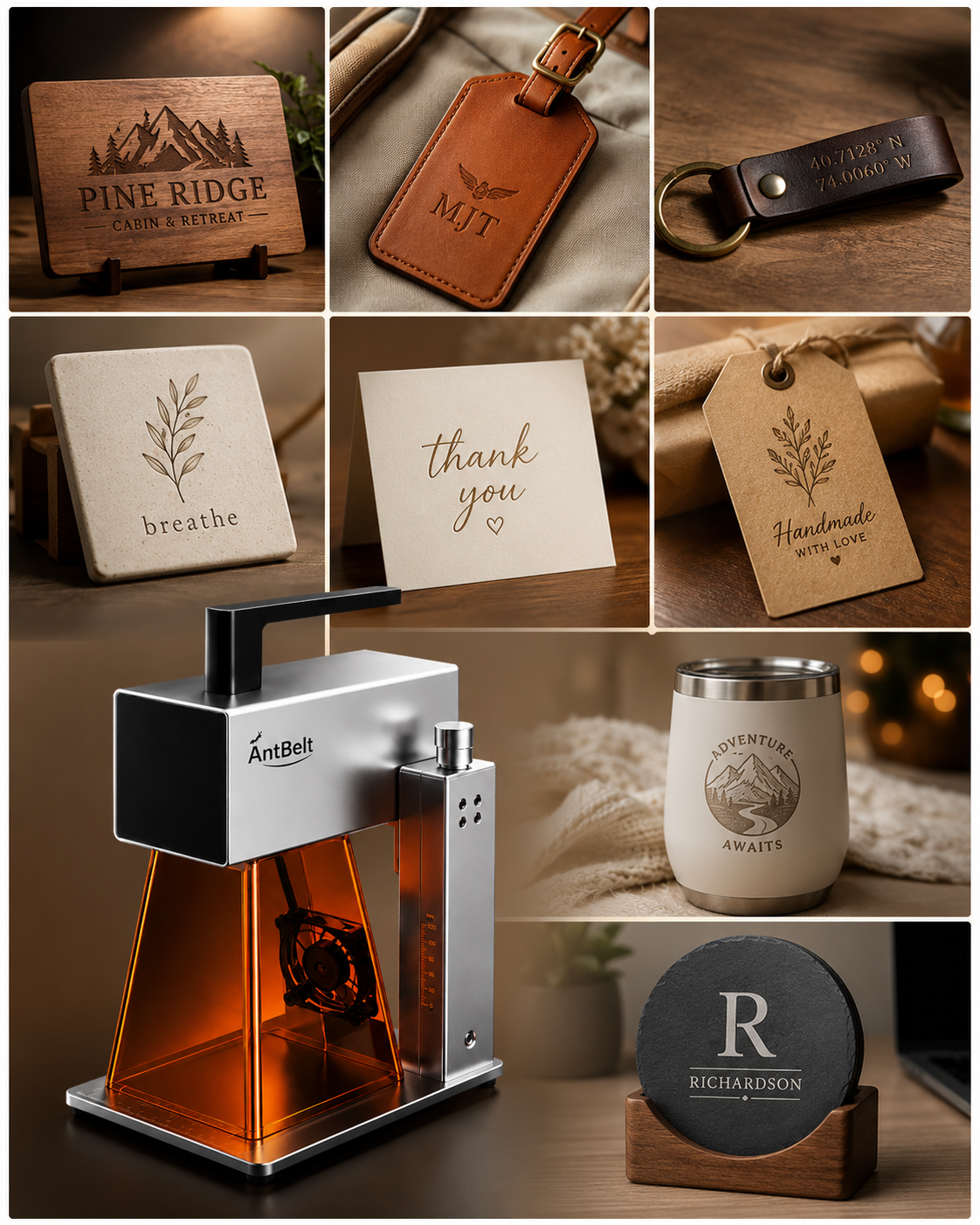
A close crop of a central logo can leave the surrounding sample out of the record. Documenting the full object and its edges gives a reviewer more context when evaluating an AntBelt G1 sample photograph.
Use a consistent photo sequence
Start with a full-object photograph that includes the sample identifier. Add the detail image used to inspect the artwork, then photograph relevant edges or adjacent areas under the same documented lighting. Do not assume that an area outside the close crop was inspected simply because it was not shown.
Separate visibility from interpretation
Describe only what the photographs make visible. If a mark was already present before the test, link the before image. If there is no before image, label the origin of the mark as unknown rather than attributing it to processing or preparation.
Keep the uncropped files alongside any presentation crops. These images document the particular specimen and visible areas; they do not establish durability, chemical safety or suitability of a different blank. If the object shows an unexplained change, hold the conclusion open and resolve the material and process questions before treating the sample as an approved reference.
Browse related planning notes in /updates/.