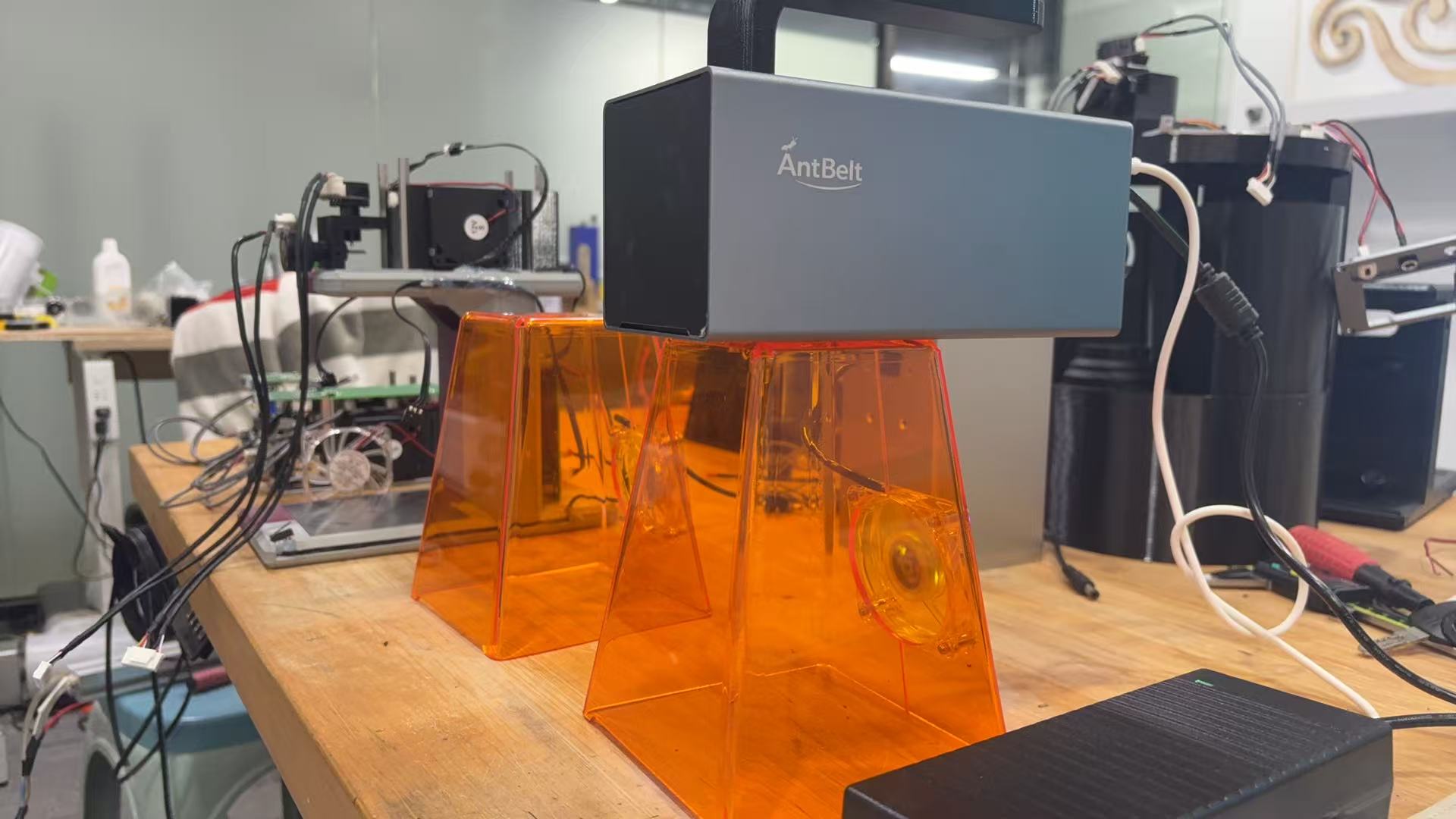
A useful project update can be read in three layers: what is shown, what the team says it means, and what remains open. Keeping those layers separate helps readers avoid filling gaps with assumptions.
Start with what is visible
List the concrete artifacts first: a prototype view, a sample, a workflow image, or a dated project note. Then identify the accompanying explanation. A picture can document a moment without proving final specifications, production readiness, or a universal result.
Finally, note the questions that still depend on current campaign information. Final configuration, fulfillment details, and other commitments should be checked at the official source rather than inferred from an older image.
Save the date with the summary
When you keep a personal comparison note, include the date and link. This prevents a later update from being mixed with an earlier snapshot. If two sources differ, prefer the newest official project information and record the discrepancy.
AntBelt G1 updates are intended to make the project easier to follow while keeping open details visible as open details.
Browse /updates/ for more dated AntBelt G1 notes.
See the current AntBelt G1 campaign information and project updates on Kickstarter: