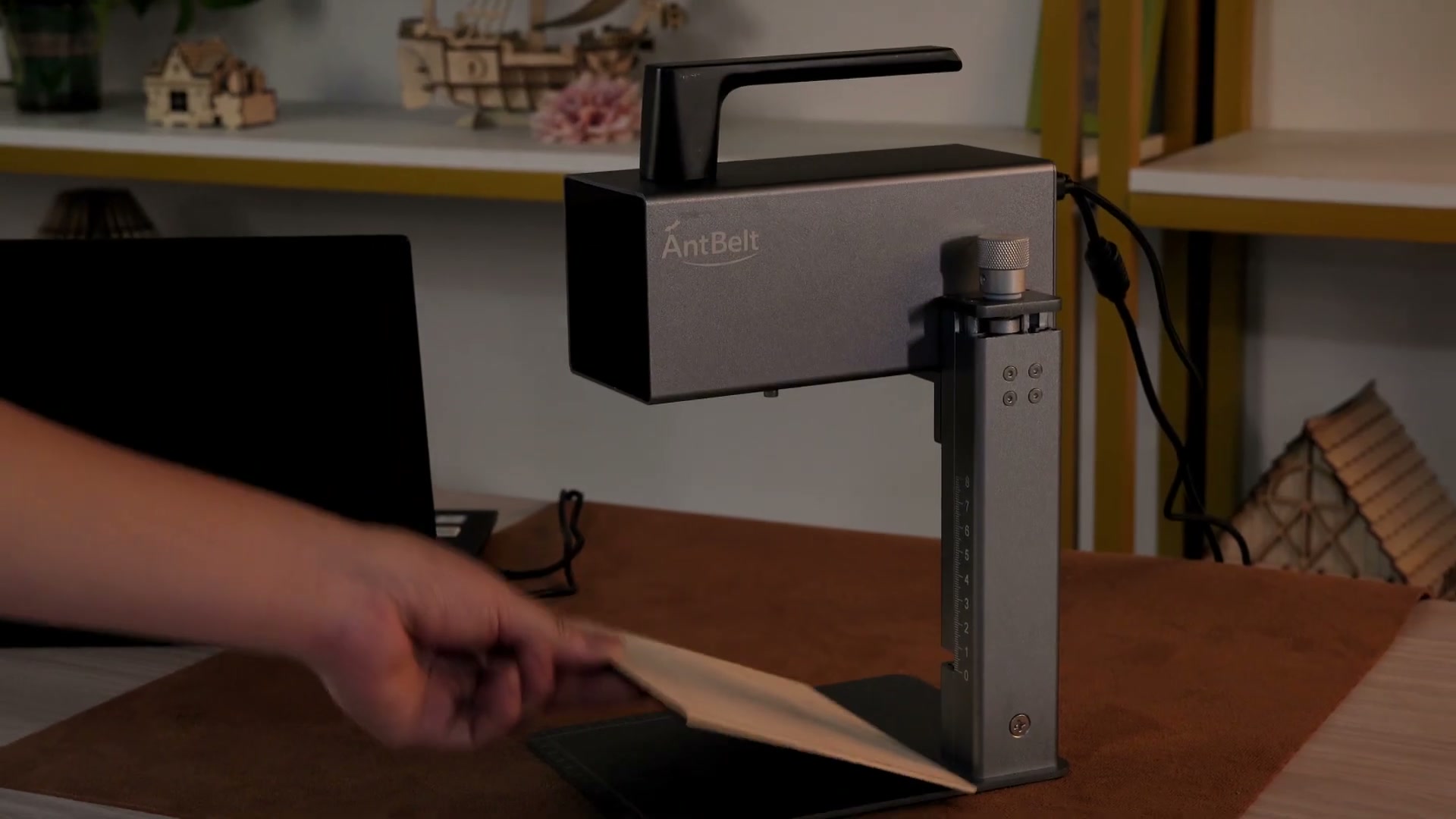
Short demo clips are useful when they show setup sequence. They can show how a sample is positioned, how the work area is framed, what kind of blank is being reviewed, and how the operator checks the result. They are weaker when viewers try to extract hidden specifications from a few seconds of footage.
For AntBelt G1, a good way to watch a demo clip is to ask what part of the workflow is visible. Is the clip showing a prototype on the bench? A sample being reviewed? A proof photo? A user-facing moment before or after marking? Each of those signals is useful, but each has a limit.
Avoid turning a clip into a claim it was not meant to make. A video frame may support a discussion about placement, use case, and sample context. It should not be used to invent final throughput, material guarantees, shipping details, or accessories not described on the campaign page.
When reviewing recent AntBelt G1 videos, write one note per clip:
- What object or sample is visible?
- What setup step can be seen?
- What question remains unanswered?
- Which campaign page detail should be checked before deciding?
That reading habit makes video updates more useful for backers and makers. It turns short clips into workflow context instead of rumor.