Two samples can share a material name and still look different because their surface finishes are not the same. Put the visible finish in the sample record before comparing photographs or making a broad conclusion.
Describe what you can actually observe
Use neutral notes such as matte, brushed, coated, polished or unknown when they are visible. Add a close photograph, a plain identifier and the direction of any grain or brush marks. If the finish cannot be identified, write “unknown” rather than selecting a likely label.
Photograph the samples under the same general light and keep the camera angle consistent enough that a later viewer can tell reflection from a design difference. The comparison remains a record of those particular samples, not a material guarantee.
Keep the next test question narrow
Choose one question for the next documented sample: readability, placement or visual contrast. Do not turn a single result into a claim about all blanks with a similar name or appearance.
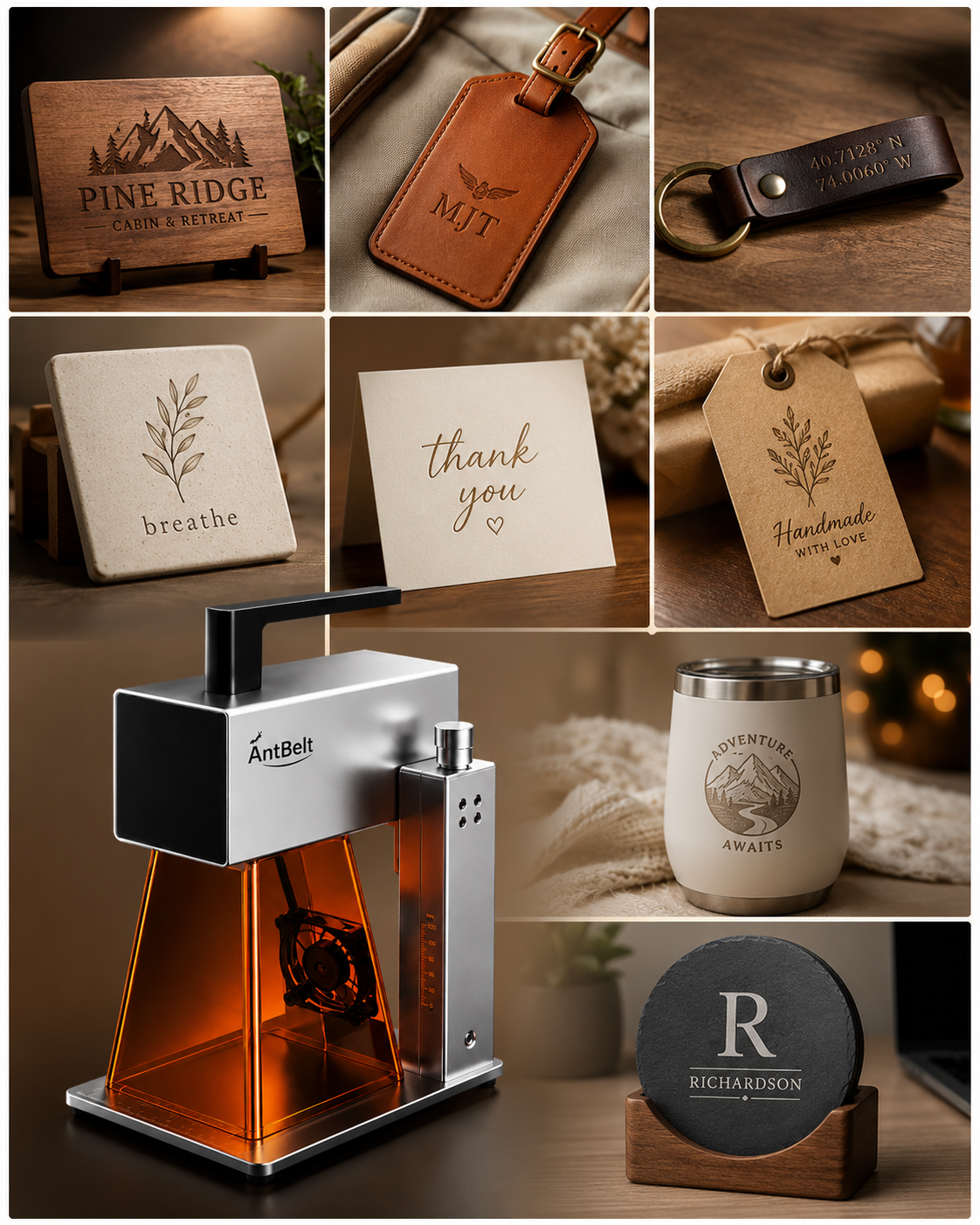
For an AntBelt G1 project, link the photo, surface note and artwork version. The contextual hero shows sample organization, not a verified compatibility result.
Browse related planning notes in /updates/.