A sample photographed immediately after a session and another photographed much later do not share the same observation history. Recording when each image was taken makes that difference visible without guessing what caused any apparent change.
Add observation times to the record
Give the specimen an identifier and record the session date. For each later photo, note the observation date, any known handling or storage changes and whether cleaning occurred. Describe unknown history as unknown; do not fill gaps with assumptions.
Keep the original photo alongside any edited version. Similar framing and lighting can help visual comparison, but they do not remove differences in the objects' histories. If one specimen was handled and another remained stored, keep that distinction in the notes.
Describe change without inventing a cause
Write what is visible in the available images. Avoid claiming that a finish improved, faded or stabilized because of a particular mechanism unless separate evidence establishes it. A delayed photograph is not a durability test by itself.
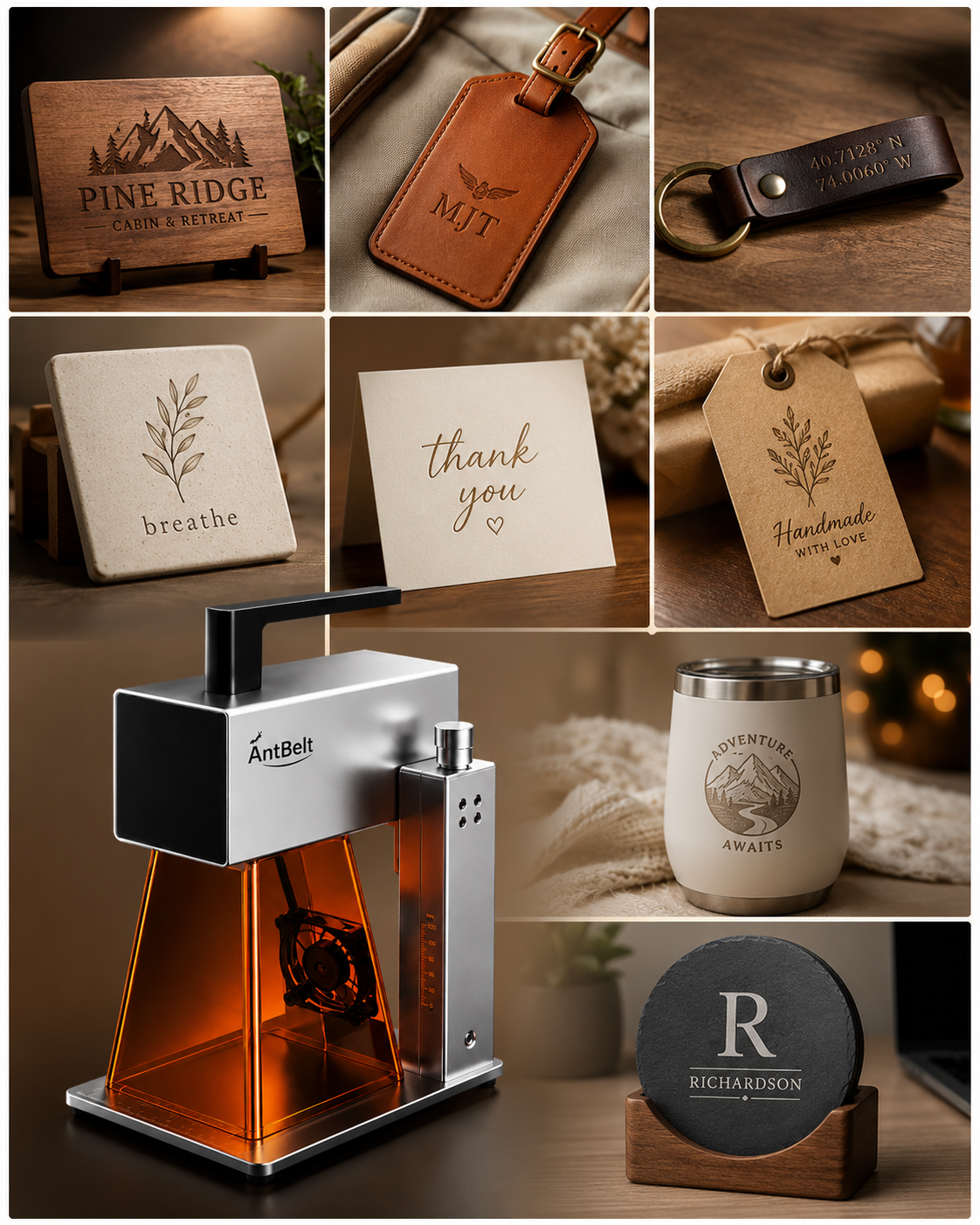
For an AntBelt G1 sample library, the objective is a traceable observation sequence. Material suitability and operating instructions still need independent confirmation before a test. These records help explain what was photographed and when, rather than extending a single image into a lifetime guarantee.
Browse related planning notes in /updates/.