Two faces of a blank can look similar in a photograph while having different preparation histories. Give each face an identity before comparing the resulting samples.
Make the orientation recoverable
Photograph both faces before a test and label the record side A and side B. Describe an existing feature that helps you identify the orientation later, or keep a separate orientation sketch. Avoid adding an unapproved marking substance to the test surface.
Link each observation to the correct face and specimen ID. If the orientation becomes uncertain, mark the result as uncertain instead of assigning it to whichever side looks more plausible.
Compare only what the record supports
Keep preparation notes and viewing conditions alongside the photographs. An observed difference does not by itself identify its cause: face preparation, the blank itself and photography may all require further investigation.
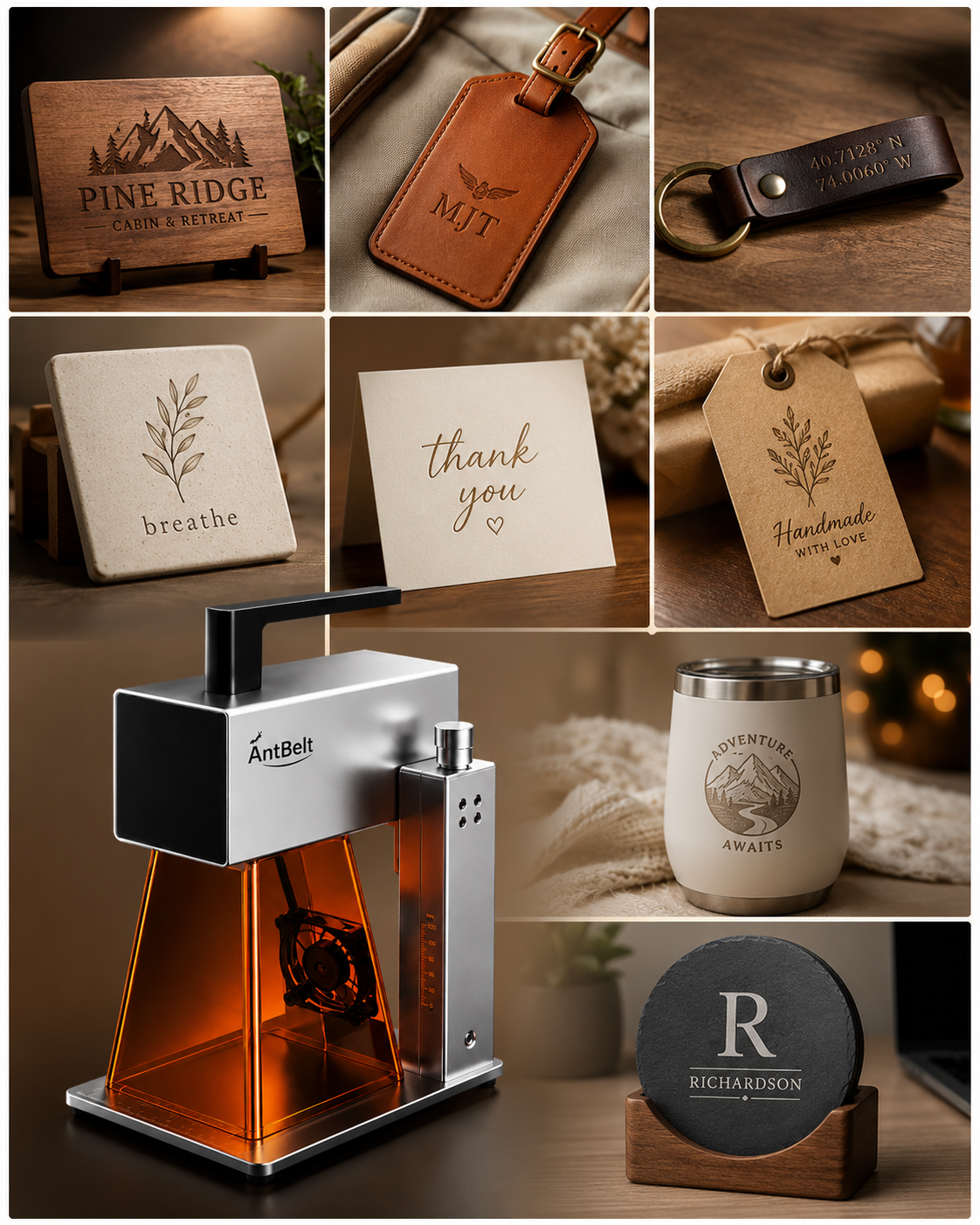
For AntBelt G1 sample planning, use only materials and procedures supported by applicable guidance. This record structure is not permission to process an unidentified coating. The contextual sample-board hero does not establish that both sides of any particular blank are suitable.
Browse related planning notes in /updates/.