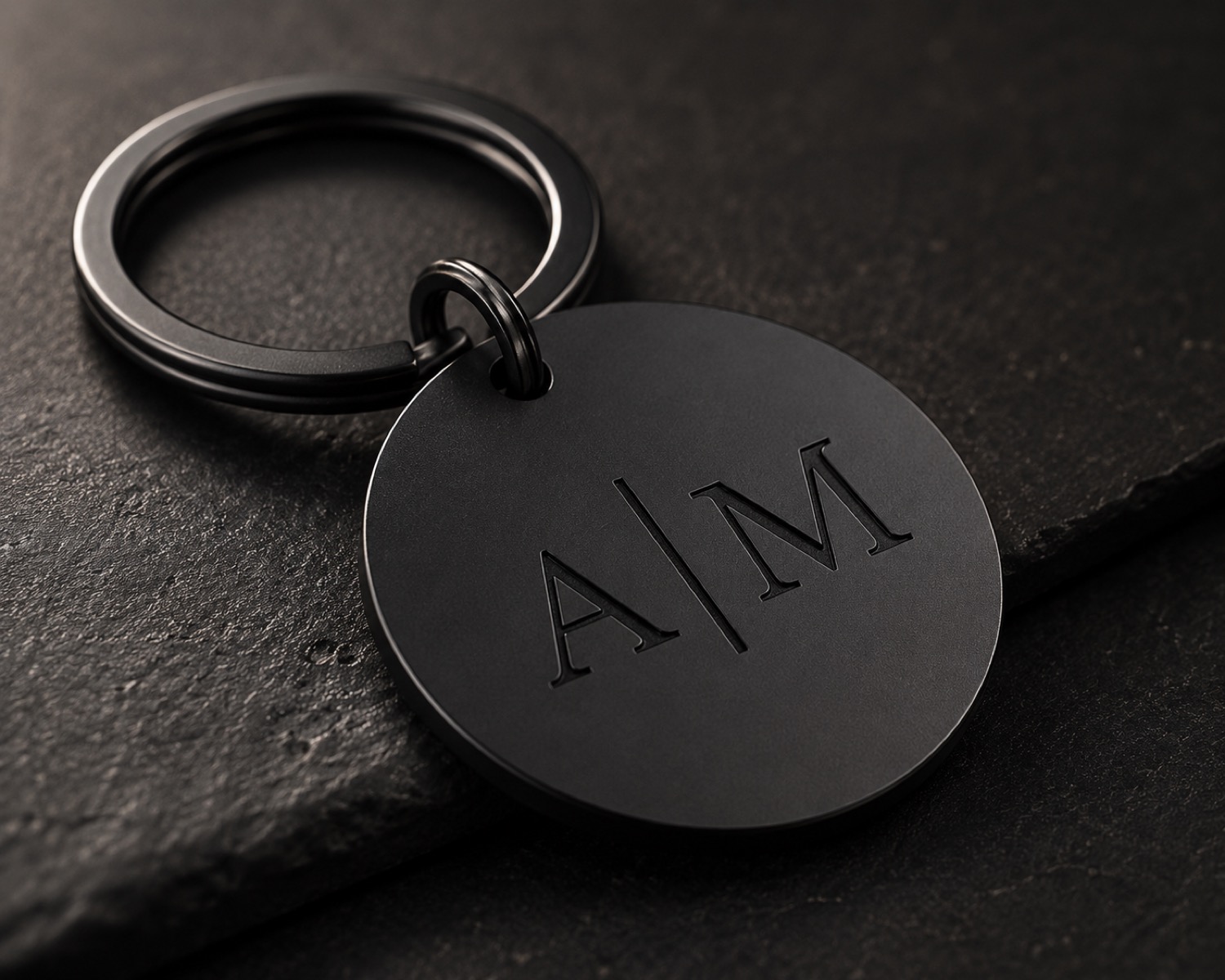
Two blanks can look similar before testing and behave differently during a controlled sample. Record surface appearance and marking behavior as separate observations so a visual match does not become an unsupported material claim.
Start with what can be seen
Photograph color, sheen, texture, edges, and any coating information supplied with the blank. Keep packaging or source notes with the sample ID. If the composition is unknown, label it unknown and pause until the material can be assessed safely.
After a permitted test, document only what that specific sample shows. Note visible contrast, edge character, and consistency without turning one observation into a guarantee for a material category.
Keep comparisons bounded
Compare samples only when the review conditions and records are clear. A new supplier, finish, or batch deserves a new line in the sample library. That distinction helps makers ask better questions before committing to finished work.
AntBelt G1 is being presented through current samples and project updates. Visit /updates/ for more conservative test documentation ideas.
Follow AntBelt G1 campaign details and current project updates on Kickstarter: