A customer correction can arrive after a personalized design has entered preparation. A written artwork-change deadline helps a small shop decide what can still be revised without guessing which version should be used.
Describe the approval boundary
In the order conversation, explain when the design becomes approved and what happens if a correction arrives afterward. Use a clear date and time zone where needed. Avoid promising a remake or delivery outcome before reviewing the current job state.
Maintain three separate facts in the order record: the approved text, the approval time, and whether physical work has begun. A payment record alone should not be treated as artwork approval.
Handle a late correction deliberately
If a new message arrives, pause the affected job before further processing when it is safe to do so. Compare the request with the saved proof, establish whether the object has already been processed, and provide the customer with the options you can actually offer.
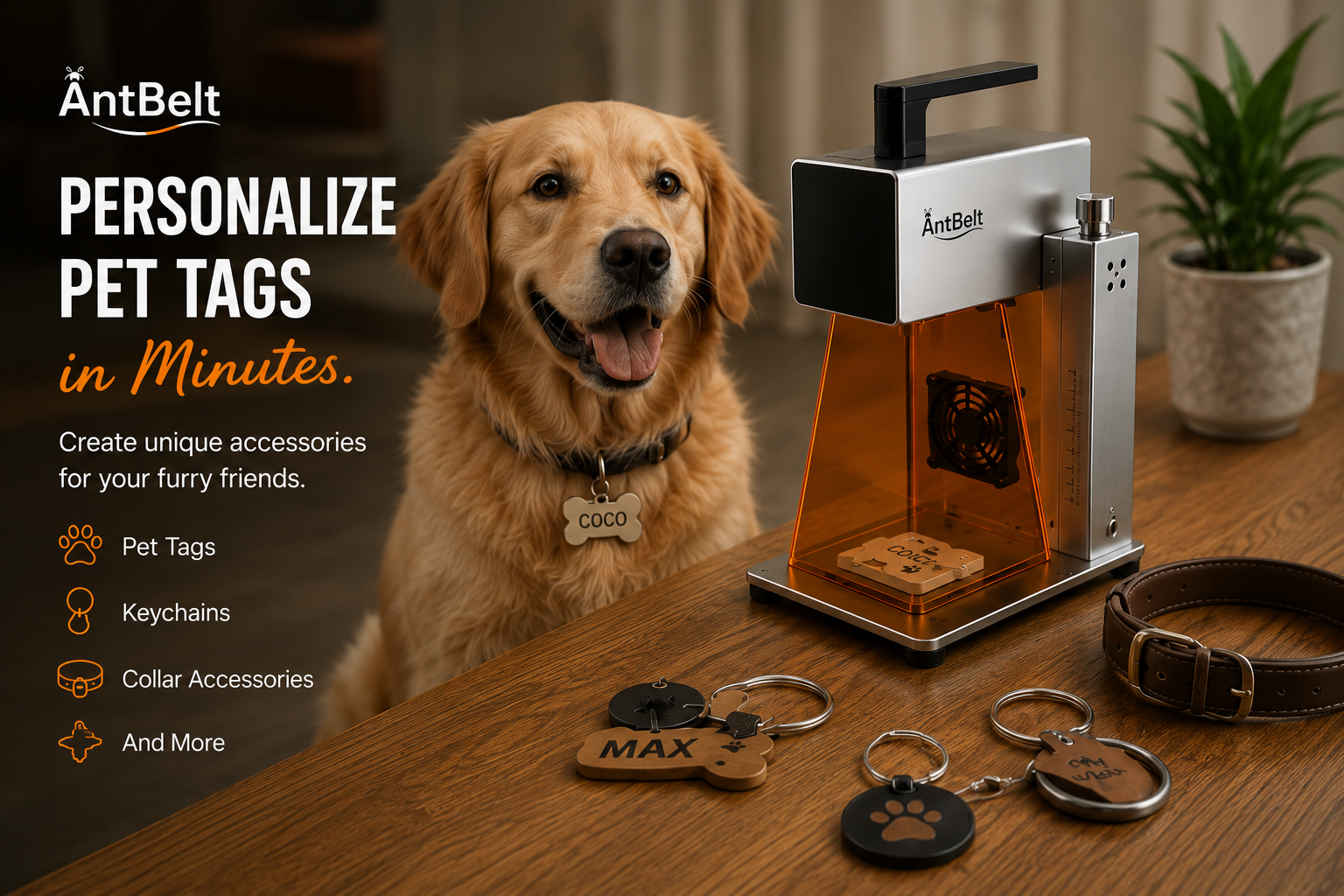
For an AntBelt G1 workflow, this is an order-management practice rather than a claim about production speed. A useful policy makes uncertainty visible before anyone commits to additional work. Save the final decision beside the proof and make sure the file selected for the job reflects that decision, not simply the newest message in an inbox.
Browse related AntBelt project notes in /updates/.
Review current AntBelt G1 project details on Kickstarter: