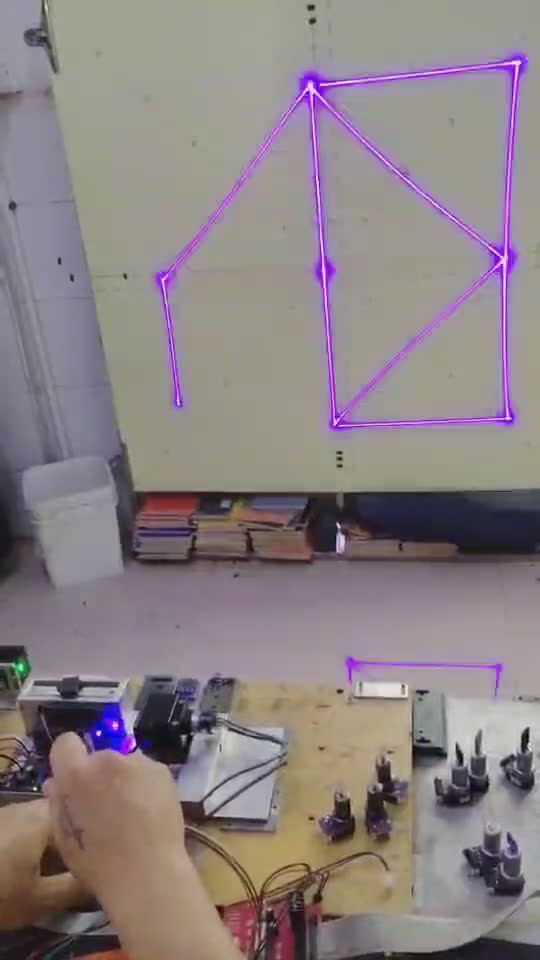
A short demo video becomes more useful when a viewer pauses it for workflow details instead of watching only the final sample. Three pauses usually matter most: the blank before the run, the placement or preview moment, and the finished result.
For AntBelt G1, this is a practical way to read video evidence. A viewer can ask whether the work area is understandable, whether the object position is clear, and whether the finished sample is shown close enough to evaluate.
The video should not be treated as a universal test result. It is one piece of context that can support a workflow note, especially when paired with still photos and a plain-language description of the material or object.
This is why the AntBelt update archive should point back to Kickstarter. The blog can explain what to look for in a clip, while the campaign page carries the official project and reward information.
Shop AntBelt G1 on the official store to review current reward details and campaign updates: