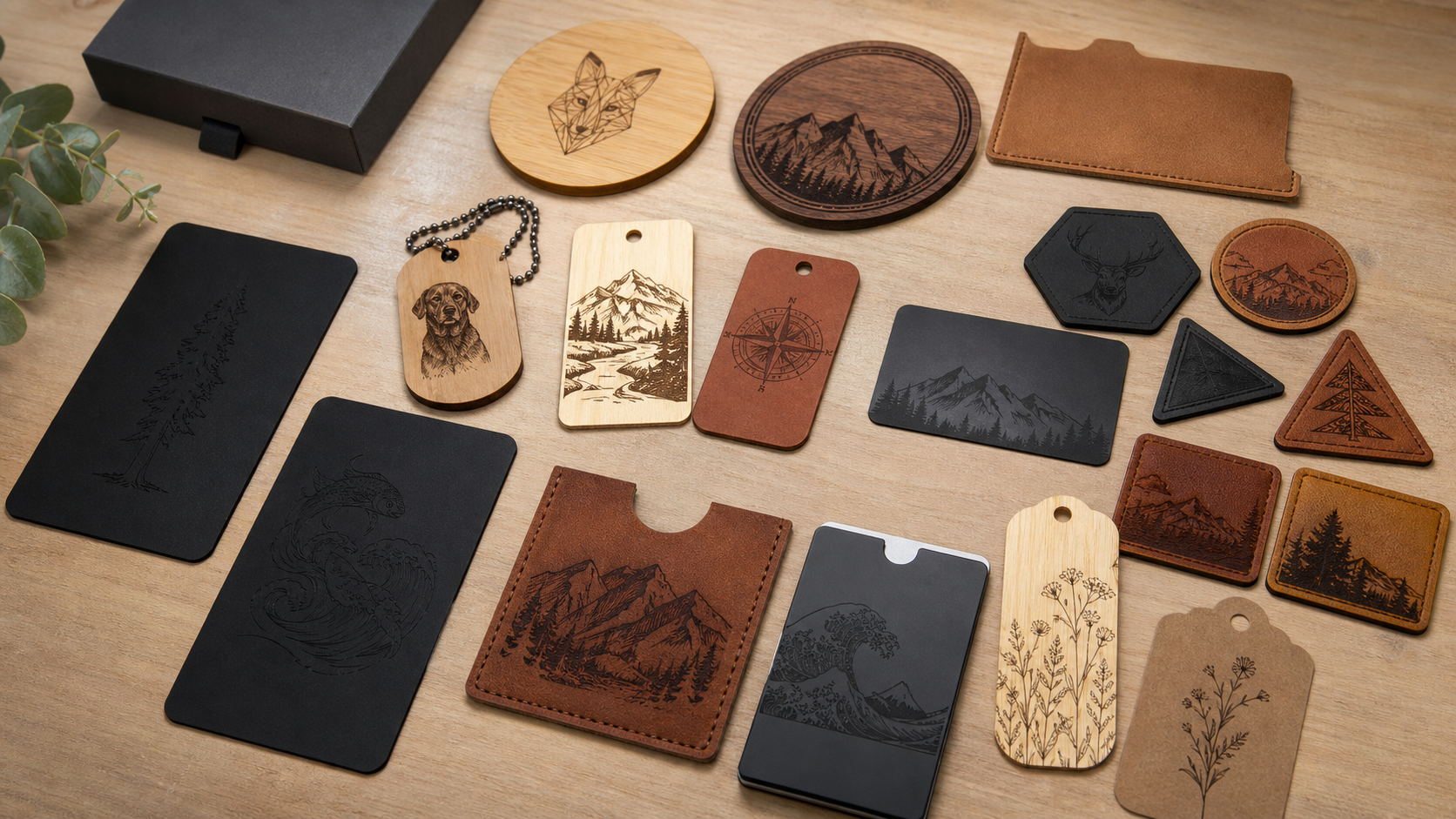
Changing several variables at once can produce an attractive sample while teaching very little. A control sample gives each comparison a stable reference and makes the written conclusion more modest and useful.
Define the control in plain language
Record the exact sample identity, surface condition, artwork file, orientation, and current process settings. Photograph the unused surface under neutral lighting. If any detail is unknown, mark it unknown rather than guessing.
Change one planned variable
Choose a single question for the next sample, such as artwork density, orientation, or one reviewed process setting. Keep the remaining recorded conditions unchanged where practical. This does not create laboratory certainty, but it makes observations easier to interpret.
Compare what can actually be seen
Describe legibility, edge appearance, contrast, residue, and visible surface changes without upgrading them into universal material claims. Use the same lighting and camera position for both photographs. Preserve the unedited images alongside any presentation crop.
Add a rejection rule
Before testing, decide what makes a sample unsuitable for the intended purpose. The rule may concern readability, visible damage, inconsistent placement, or missing safety information. A prewritten rule prevents enthusiasm about one feature from hiding another problem.
Keep conclusions attached to conditions
Write “observed on this sample under these conditions,” then list what would need retesting. Coatings, suppliers, object geometry, and preparation can vary. No single sample should be presented as a guarantee for an entire material category.
AntBelt G1 prototype and sample demonstrations can help frame questions for a controlled review. They do not replace current material guidance, ventilation planning, protective measures, or attended operation. Find more cautious test-planning notes at /updates/ and check official campaign information for current details.
Review current AntBelt G1 project details and updates on Kickstarter: