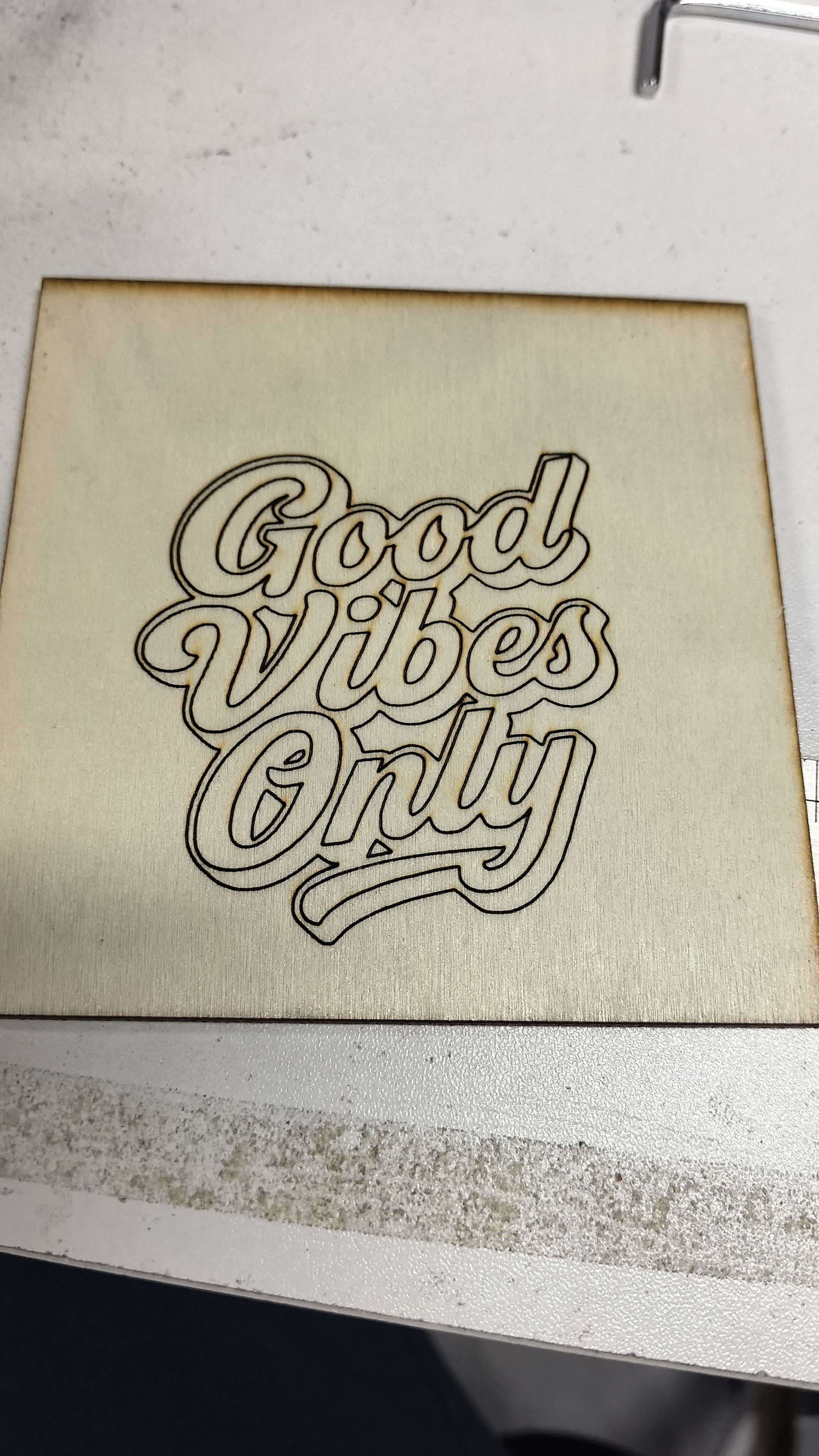
Rejected samples often contain the most useful information in a material test, but only if the workshop can remember why each one was rejected. A short code makes that decision visible without pretending the code explains the material itself.
Keep the vocabulary small
Start with a few observable categories such as placement, legibility, surface condition, artwork error, or incomplete documentation. Write the code on the sample record rather than marking a customer object. Add one sentence when the category alone could be misunderstood.
Separate observation from cause
“Text difficult to read under inspection light” is an observation. “Material cannot be engraved” is a broad conclusion that one sample may not support. Record the actual material identification, finish, artwork revision, setup, and date so later reviewers can interpret the test in context.
Review patterns before changing a process
After several bounded tests, group samples by rejection code. A repeated artwork error suggests a different action from inconsistent material identification. Change one controlled factor at a time and retain the earlier record.
Browse /updates/ for more AntBelt G1 testing notes. Results can vary, and this coding method does not establish compatibility, durability, or a guaranteed outcome. Use current guidance and appropriate test pieces.
Follow current AntBelt G1 campaign details and development updates on Kickstarter: