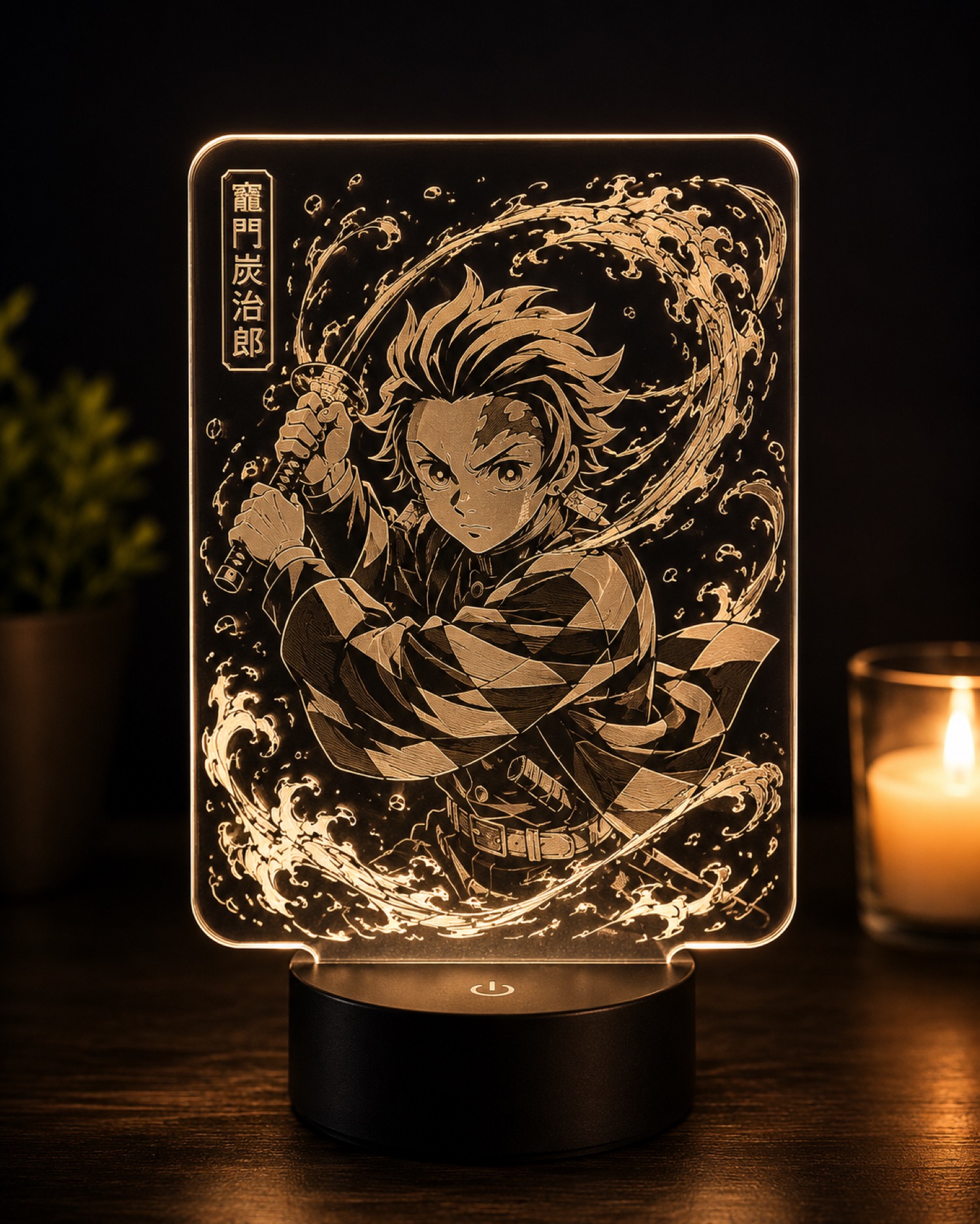
An acrylic light-style sample is good at showing one thing clearly: whether a design direction creates a readable visual effect on a compact object. It is not proof of every material workflow, every power option, or every production scenario.
That distinction matters for AntBelt G1 because the project is still in a pre-launch phase. Sample media should be read as evidence of ongoing testing, not as a shortcut to final universal claims.
If a project shares an acrylic-style result, useful questions include:
- Is the sample clean and understandable?
- Does the object match the type of work the machine is being positioned for?
- Does the sample add a new proof point instead of repeating the same example?
Those questions are more helpful than trying to stretch one image into a claim about all supported use cases. Good sample communication stays narrow.
For makers and small shops, acrylic-related samples can still be valuable. They show how a compact desk-side workflow might support signage ideas, gift concepts, or branding experiments. But final decisions should still wait for fuller Kickstarter details and more cumulative proof.
That is the stronger way to follow this campaign: treat each material example as one piece of an evidence trail, not a final verdict.
For more first-test context, see /updates/material-ideas-for-first-antbelt-g1-tests.html and the broader /updates/ index.