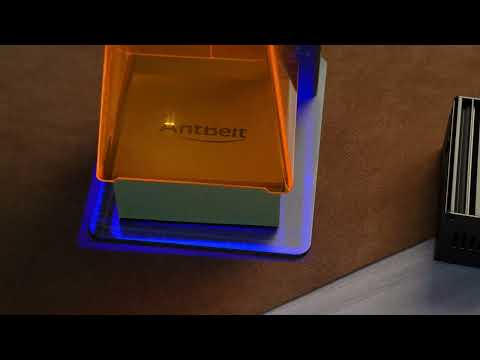
Recent AntBelt G1 sample videos include a color board engraving test, and that kind of clip is useful for one main reason: it gives viewers a narrow proof point. It does not prove every material, every power option, or every production scenario. It shows one controlled example.
That is the right way to read an early material test.
A color board sample can help viewers check:
- Whether the result looks visually clean in a short demo.
- Whether the machine is being shown in a real workflow context.
- Whether the team is building a habit of sharing concrete sample evidence.
What it should not be used for is overreaching. A single sample clip does not confirm all future material compatibility, commercial output consistency, or final campaign performance. That is especially important for a first Kickstarter project where trust depends on staying precise.
The stronger interpretation is simple: a real sample update is better than generic concept art, and repeated sample updates are better than a single polished promise. For AntBelt G1, this kind of material-test cadence is likely to matter more than aggressive headline copy.
If you are comparing compact desktop engravers, pay attention to how a project documents progress over time. Real sample posts build confidence when they remain specific and conservative.
For more public progress notes, check /updates/, and use the Kickstarter pre-launch page for the current campaign-facing details.