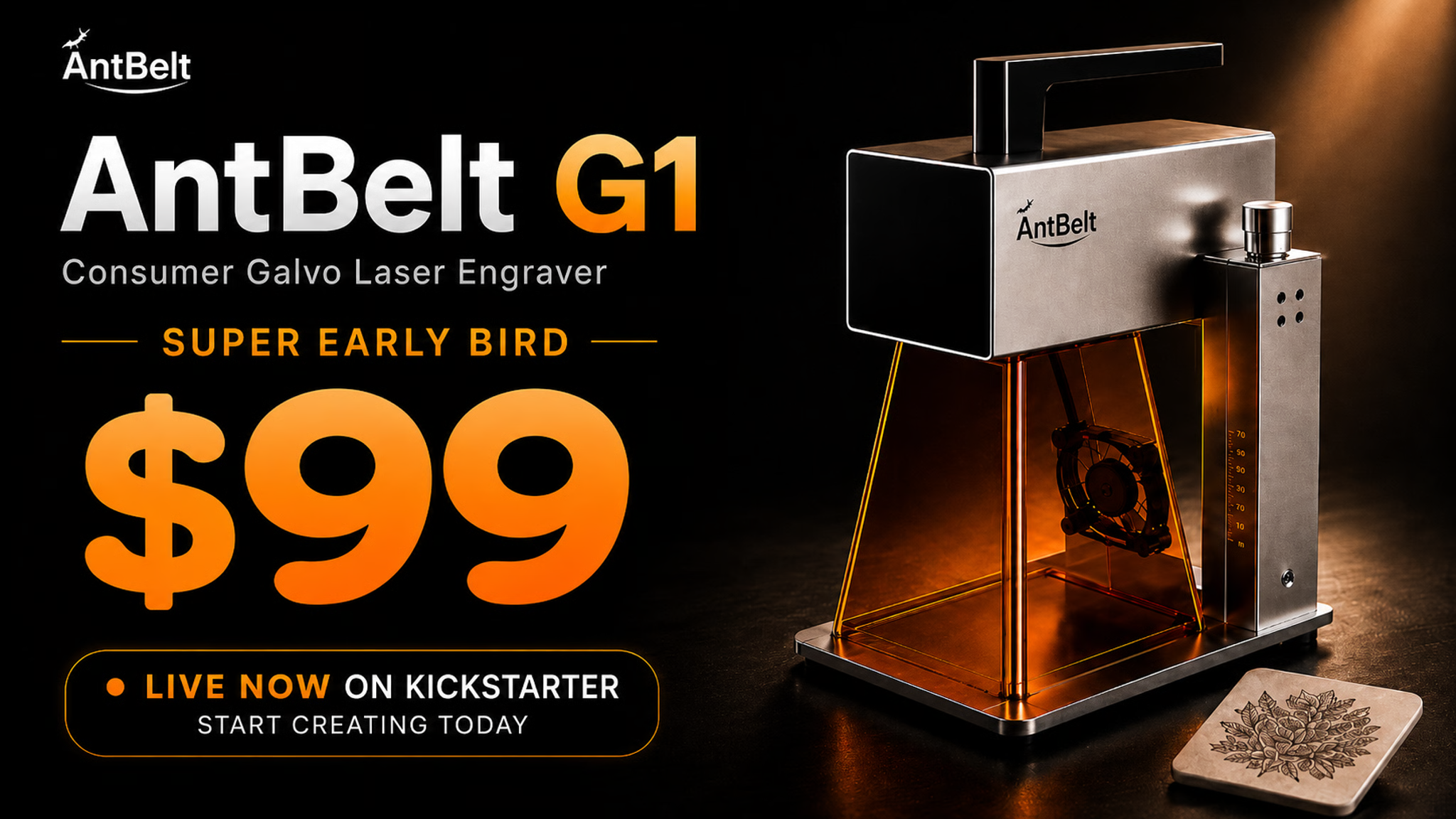
A useful pre-launch update should help a backer distinguish visible progress from final commitments. The strongest way to read an update is to ask what is shown, what remains provisional, and where final details will be recorded.
Identify the evidence type
A prototype photo, sample image, interface view, and workflow video answer different questions. Note whether the update shows the machine, the object before and after work, or only a finished result. Each can be useful without proving every part of the final configuration.
Look for bounded language
Words such as current prototype, planned, and under review indicate development-stage information. That precision is helpful. Shipping details, final included items, compatibility guidance, and campaign terms should be checked on the current project page.
Connect proof to your use case
List the objects, workspace constraints, file habits, and review steps that matter to you. Then ask whether the available evidence addresses those questions. Do not assume that a visually similar sample has the same material or finish as your intended object.
Keep a short question list
Prioritize questions that could change your backing decision. A clear list is more useful than trying to convert every demonstration into a specification.
AntBelt G1 is presented as a compact desktop galvo laser engraver for makers and small shops. Follow /updates/ for practical workflow notes, and use the campaign page as the current source for project terms and final details.
Review current AntBelt G1 project details and updates on Kickstarter: