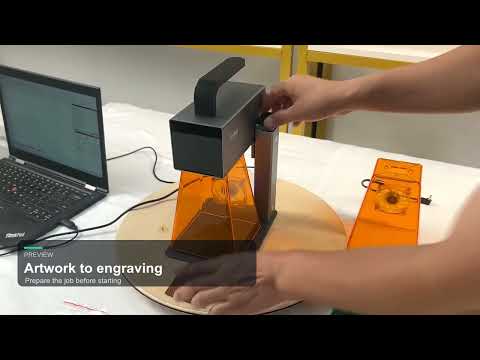
Before a Kickstarter project asks for broad trust, it needs smaller trust checkpoints. A first power-on update is one of the most useful early checkpoints because it is easy for backers to understand and hard to fake with vague language alone.
When a team shares a real power-on moment, viewers can look for a few grounded signals:
- Is there a real prototype in frame?
- Is the update focused on function rather than marketing slogans?
- Does the project seem to be moving from concept toward repeatable testing?
That does not mean a power-on clip proves final readiness. It does not prove shipping dates, certification outcomes, or finished production quality. But it does show that the project is passing through a real hardware milestone that matters.
For AntBelt G1, the first power-on video is best understood as an early proof step in a longer chain that should also include workflow clips, sample updates, safety context, and manufacturing preparation over time. Backers should want that chain to keep growing, rather than expecting one early clip to answer everything.
This is the right tone for a first-time campaign: steady evidence, conservative language, and frequent updates that are easy to verify at a glance.
You can follow more public progress through /updates/, and rely on the Kickstarter pre-launch page for the current campaign-facing call to action.